

Obtaining a forklift licence in the UK is essential for anyone who wants to operate forklift trucks legally and safely. Whether you’re an individual aspiring to become a forklift operator or a business owner ensuring your staff are certified, this guide will walk you through the requirements, process, costs, and renewal of a UK forklift licence. We’ll also highlight how proper training and the right equipment (like electric forklifts and pallet trucks) can boost safety and efficiency in your operations.
Why Do You Need a Forklift Licence?
In the UK, a forklift licence (often just a certification of training) is required by law for anyone operating a forklift in the workplace or on public roads. This certification proves you have been trained in safe forklift operation. While it’s not a driving licence issued by the government (there’s technically no DVLA-issued “forklift licence”), employers are obligated under safety regulations (PUWER 1998) to ensure all forklift operators are properly trained and competent. Failing to do so can lead to heavy penalties and, more importantly, increases the risk of accidents. Simply put, getting trained and licensed protects you, those around you, and keeps your business compliant with UK health and safety laws.
Who Can Get a Forklift Licence? (Requirements)
Before diving into the steps, make sure you meet the basic forklift licence requirements in the UK:
-
Minimum Age: You must be at least the minimum school-leaving age (usually 16 years old) to train as a forklift operator. However, if you’ll be working in ports or similar high-risk environments, the minimum age is 18. Many training providers prefer candidates to be 18+, so check their policies.
-
Physical & Mental Fitness: Operating forklifts is a physical job. You should be in reasonably good health (e.g. good vision and hearing, adequate hand-eye coordination) and free from serious conditions that could impair safe driving. A medical exam isn’t always required, but employers may insist on one for safety.
-
Basic Skills: You don’t need academic qualifications, but basic numeracy and the ability to read instructions in English are important. Training involves understanding safety rules and operating manuals, so you should be able to speak, read, and write English to a level necessary for the course.
-
Driving Licence (if on Public Roads): You do not need a car driving licence to operate a forklift on private property or to take a forklift training course. However, if a forklift will be driven on public roads (even crossing between sites), the operator must hold a valid UK driving licence and the forklift must be registered and road-legal.
If you meet the above criteria, you’re ready to start the process of getting trained and licensed to drive a forklift.
Step-by-Step: How to Get a Forklift Licence in the UK
Getting a forklift licence involves formal training and assessment. Follow these steps to become a certified forklift operator:
-
Find an Accredited Training Provider: Start by finding a reputable forklift training provider. Look for providers accredited by bodies like RTITB, ITSSAR, AITT or NPORS, which are all part of the Accrediting Bodies Association (ABA) for workplace transport. Accreditation ensures the course meets HSE’s standards. You can find training through specialized schools, private companies, or sometimes manufacturers/dealers. Tip: If you’re an employer, you may arrange in-house training by hiring an accredited instructor to train your staff on-site. The key is that the training follows the approved code of practice (L117) and covers all required skills.
-
Choose the Right Course for Your Forklift Type: Forklift licences are typically specific to the type of truck you will operate. Common categories include counterbalance forklifts, reach trucks, pallet trucks, rough terrain forklifts, etc. Select a course that matches the forklift type you need for your job. For example, if you’ll be driving a standard warehouse forklift (counterbalance), take that course first. You can always do conversion training later to operate a different type (e.g. moving from a counterbalance to a reach truck) without repeating the full basic course. Discuss with the training provider which certification you need based on your or your employees’ job duties.
-
Attend the Training (Theory & Practical): Forklift training courses typically include classroom theory and hands-on practical lessons. In the theoretical portion, you’ll learn about forklift safety regulations, operating procedures, load handling principles, equipment checks, and best practices. You’ll cover important topics like how to conduct pre-use inspections, assess load weight/stability, and prevent accidents. The practical training is where you get behind the controls under an instructor’s supervision. You’ll practice maneuvering, stacking and unstacking loads, driving in confined spaces, and mastering forklift controls. Courses for beginners (novice operators) usually last 3–5 days, ensuring you get sufficient practice time. If you already have experience, shorter refresher or one-day courses might be available, but don’t overestimate prior experience – operating a forklift safely requires specific skills that training will sharpen.
-
Pass the Tests and Assessments: At the end of the training, you must successfully complete the assessments to prove you can operate a forklift safely. This typically includes a written exam (or oral test) covering the theory material and a practical driving test. The practical test will involve performing a set of maneuvers (like picking up and depositing loads, navigating through a course, parking the forklift, etc.) while following all safety rules. The instructor/examiner will mark if you maintain proper observation, use correct tilt and lift techniques, and handle the machine confidently. Don’t be too nervous – if you’ve practiced, you’ll be fine. If you don’t pass on the first try, most providers allow a re-test after additional practice.
-
Obtain Your Forklift Licence (Certificate): Upon passing the tests, you’ll receive your forklift operator certification – often colloquially called a “forklift licence.” This may be in the form of a certificate and sometimes a wallet-sized ID card showing the types of forklift you’re qualified on. This licence is proof of your competency to employers. Congratulations – you’re now officially qualified to operate a forklift within the scope of your training! Keep this certification safe; you’ll need to show it when applying for jobs or if an inspector asks for proof of training. Remember that while the certificate doesn’t have a hard expiry date in law, it’s good practice to refresh your training every few years (we’ll cover that next).

How Much Does Forklift Licence Training Cost?
The cost of getting a forklift licence in the UK can vary widely. Several factors influence the price: the type of course (novice, refresher, conversion), the length of training, the region, and the provider’s rates. Generally, you can expect to pay anywhere from a few hundred to around a thousand pounds for a complete training and certification package. For example, a beginner’s course (3-5 days) might cost roughly £500-£700, whereas a one-day experienced operator course could be around £150-£300. According to industry averages, forklift training ranges between about £300 and £1,000 in totalk. This typically includes the instruction, use of equipment during training, examination, and the issuance of your certificate. Always ask what’s included in the fee—some providers might charge extra for training materials or for the certification card.
If you’re an employer training multiple staff, you might negotiate group rates or on-site training packages. On-site training can sometimes be cost-effective (and more convenient) if you have the space and equipment, as the trainer comes to you and uses your facility and forklift. Remember, investing in proper training pays off in safer operations and can even reduce damage to stock and equipment by improving operator skill.
How Long Does a Forklift Licence Last? (Renewal & Refresher Info)
One common question is how long your forklift licence remains valid. Technically, a forklift “licence” (certificate) does not expire on a set date in the way a driving licence does. Once you’re certified, your qualification is good indefinitely for that type of truck. However, best practice recommended by the Health and Safety Executive is to take refresher training every 3 to 5 years.
Why refresh if it doesn’t legally expire? Over time, regulations can update and bad habits can creep in. Regular refresher courses ensure that operators maintain good driving habits, stay updated on any new safety guidelines, and correct any unsafe practices. Many employers and training bodies issue certificates with an expiration date of 3 years from training as a reminder for retraining. In high-risk environments or if an operator has had an incident, additional training might be required sooner.
Renewal process: To renew your forklift licence, you typically take a short refresher course or sometimes just a practical re-evaluation. The cost is lower than a full course – usually £100-£300 depending on provider. There isn’t a formal re-test by a government agency; you simply need to show an instructor that you still operate safely, and they’ll issue an updated certificate. Always keep track of when you last did training and plan your refreshers in advance. This keeps your skills sharp and your workplace safe.
After Certification: Tips for Employers and Operators
Getting certified is a big step, but it’s not the end of the journey. Here are some post-licence tips, especially relevant for business owners and managers:
-
Maintain Training Records: Employers should document each operator’s training dates and types of trucks authorized. This helps with scheduling refreshers and is useful if HSE inspectors ask for proof of operator training.
-
On-the-Job Supervision: Newly certified operators should still be closely supervised initially. Every workplace has unique layouts and challenges, so ensure they get familiarisation training on your specific site and forklift (this is actually Stage 3 of training per HSE: familiarisation on the job).
-
Safe Equipment and Environment: A licence doesn’t guarantee safety if the workplace is unsafe or the forklift is faulty. Keep forklifts well-maintained and get them LOLER inspected regularly. Ensure your warehouse has clear traffic routes, signage, and pedestrian safety measures in place.
-
Refresh and Retrain: Don’t wait for the 5-year mark if an operator seems to be operating unsafely or if there’s a near-miss. Provide immediate retraining or mentoring. Likewise, if you acquire a new type of forklift (say, an articulated VNA truck) that operators aren’t trained on, arrange conversion training for them rather than risking untrained operation.

Choosing the Right Equipment (Cross-Promotion with iLift)
Once you have licensed operators, it’s crucial to equip them with the right forklifts and material handling tools. Modern, well-suited equipment not only improves productivity but also contributes to safety. For example, many businesses are now opting for electric forklifts due to their low emissions, quieter operation, and lower maintenance. Electric models are ideal for warehouses and even outdoor yards, offering robust performance with the benefit of lithium-ion battery technology (no more lengthy battery swaps or gas refills).
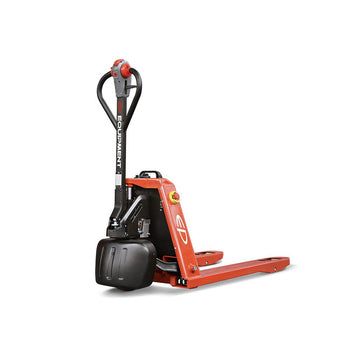
If you’re looking to upgrade or expand your fleet, iLift can help. We offer a wide range of lithium-ion powered forklifts and pallet trucks to meet different needs. For instance, our selection includes everything from compact 3-wheel electric counterbalance forklifts (great for tight warehouse aisles) to larger 4-wheel trucks for heavier loads. We also provide versatile electric pallet trucks that make moving pallets efficient and ergonomic. These pallet trucks – such as the popular EP F-Series models – are budget-friendly and perfect for shops, factories, and warehouses to ease daily material handling. (Fun fact: Manual pallet jacks may strain workers and slow down operations, whereas switching to electric pallet trucks can significantly boost productivity and reduce injury risk.)
Internal Links – Check Out iLift’s Range: You can browse our electric pallet trucks collection to find models like the EPL154 (1.5-tonne pallet truck) or the ultra-compact F4 pallet truck for tight spaces. If you need forklifts, explore our electric forklifts for sale and hire – we have options for 1.5 tonne up to 10+ tonne capacities to cover light warehouse tasks or heavy-duty outdoor work. All our equipment comes with expert support and the option for long or short-term hire if purchasing isn’t in your immediate budget.
iLift is here to support your business after your operators get their licences. Not only do we supply top-quality electric forklifts and pallet trucks, but we also offer advice on the best equipment for your needs and flexible financing, rental, or purchase options. Feel free to contact our team for guidance on choosing the right forklift or pallet truck to complement your newly skilled operators. Safe and efficient operations start with both well-trained people and the right tools – with a UK forklift licence in hand and iLift’s equipment by your side, you’ll have both bases covered.
Conclusion
Getting a forklift licence in the UK is a straightforward process when you know the steps. By meeting the requirements, undergoing accredited training, and passing the necessary tests, you’ll earn a certification that enables you to operate forklifts legally and safely. Remember to factor in the costs of training as an investment in safety, and keep your skills fresh with periodic refreshers. For businesses, supporting your operators with ongoing training and providing modern, efficient equipment is key to a safe and productive workplace. Now that you know how to get a forklift licence step by step, you’re well on your way to driving forklifts with confidence – and if you need the best forklifts or pallet trucks to drive, you know where to find them. Stay safe and happy lifting!