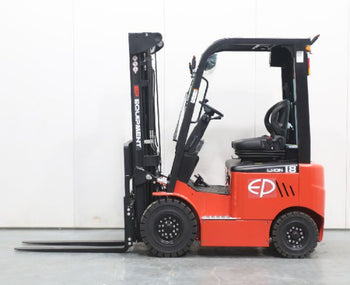


Switching from a diesel to an electric forklift is no longer a leap of faith. Lithium-ion technology has closed the performance gap that once made diesel the default for demanding sites, and the running-cost difference is now hard to ignore. The problem most operations managers face is not whether to move, but how to do it without disrupting daily output. A rushed change creates charging bottlenecks, frustrated operators, and idle trucks. A planned one does not. This 90-day transition plan breaks the process into three clear phases so you can move from diesel to electric with your throughput intact and your team on board.

Why 90 days is the right window
You could swap trucks overnight, but you should not. A forklift fleet is tied into shift patterns, charging infrastructure, operator habits, and maintenance routines that all need to shift together. Ninety days gives you enough time to prove the technology on your own site, build the charging setup properly, and retrain staff, without dragging the project out so long that momentum stalls and old habits reassert themselves.
The plan splits into three 30-day phases: assess and plan, pilot and prepare, then roll out and optimise. Each phase has a clear goal and a checklist of decisions, so nobody is left guessing what happens next.
Days 1 to 30: Assess and plan
The first month is about data, not diggers. Before you order a single truck, you need an honest picture of how your current diesel fleet actually works.
Audit your current fleet and duty cycles
Start by logging what each truck really does across a full week. Capture the hours worked per shift, the loads handled, the lift heights, the gradients, and the indoor and outdoor split. Diesel forklifts are often specified with a generous safety margin, so many sites discover they are running trucks far heavier and thirstier than the job requires. That margin is where a lot of your savings will come from.
Key figures to record for each truck:
-
Average and peak operating hours per shift
-
Typical and maximum load weights
-
Indoor, outdoor, or mixed use
-
Fuel consumption and current fuel spend
-
Annual service and repair costs, including downtime
Calculate the real cost of diesel
Diesel's true cost is rarely just the fuel. Once you add servicing, filters, engine repairs, DPF cleaning, and the productivity lost to breakdowns, the total cost of ownership climbs well above the sticker price. Electric trucks have far fewer moving parts, no engine oil or fuel filters, and regenerative braking that reduces wear. Building this comparison now gives you the business case you will need to secure sign-off and sets the benchmark you will measure the new fleet against.
Assess your power supply
This is the single most important technical task of the first phase. Lithium-ion forklifts need somewhere to charge, and that means understanding your site's electrical capacity. Walk the site with a qualified electrician and confirm the available supply, the location of distribution boards, and where charging points can sit safely near operating areas. Lithium-ion allows opportunity charging, so trucks top up during breaks rather than needing a dedicated charging bay and battery swaps, but the circuits still have to support it.

Bring finance and operators in early
A fleet change is as much a people project as a technical one. Get your finance team involved while you build the cost comparison, so the business case is theirs as well as yours and sign-off is quicker when the numbers are ready. At the same time, talk to the operators who will actually drive the trucks. They know which jobs are hardest and where the current fleet struggles, and involving them now means far less resistance when the electric trucks arrive. People who help shape a change tend to back it.
By the end of day 30 you should have a fleet audit, a cost comparison, a confirmed power plan, buy-in from finance and operators, and a shortlist of the truck specifications that match your duty cycles.
Days 31 to 60: Pilot and prepare
Month two is where the plan meets reality. Rather than committing the whole fleet at once, you introduce electric trucks in a controlled way and use what you learn to get the full rollout right.
Run a pilot on your hardest job
Do not pilot an electric forklift on the easiest task in the building. Put it on one of your more demanding applications, whether that is a long double shift, a cold store, or a high-throughput loading bay. If a lithium-ion truck holds up there, confidence across the rest of the team follows quickly. Hiring a truck for the pilot rather than buying one keeps the trial low-risk and lets you test the exact model before you commit capital.
During the pilot, track the same metrics you gathered for the diesel audit. Compare runtime, charging behaviour, operator feedback, and any performance gaps under real load. Most sites find the modern lithium-ion truck matches or beats the diesel it replaces, but the pilot is where you confirm it for your conditions rather than taking anyone's word for it.
Install charging infrastructure
With your power plan confirmed in phase one, month two is the time to install chargers. Position them to suit how your operators already move, near break areas and natural pause points so opportunity charging fits into the working day rather than interrupting it. Plan for the fleet you are building towards, not just the pilot truck, so you are not rewiring again in six months. Label circuits clearly and make sure charging areas are well ventilated, tidy, and free of obstruction.
Plan operator training and shift patterns
Electric forklifts drive differently from diesel. The power delivery is instant and smooth, the cab is quieter, and there are no engine warm-ups or refuelling stops. These are advantages, but they change habits. Operators used to refuelling mid-shift need to learn opportunity charging, and supervisors need to rethink how shift patterns line up with charging windows. Book training so it lands just before the trucks arrive, while the pilot experience is fresh, not weeks after.
By the end of day 60 you should have pilot results in hand, charging infrastructure installed and tested, a training schedule booked, and a final purchase or hire order placed.
Days 61 to 90: Roll out and optimise
The final month is the changeover itself. With planning and piloting done, this phase should feel controlled rather than chaotic.
Phase the changeover, do not flip a switch
Retire diesel trucks in batches rather than all at once. Bring electric trucks online area by area or shift by shift, so any teething issue affects one part of the operation rather than the whole site. Keep one or two diesel trucks available as a fallback for the first couple of weeks, then release them once the electric fleet has proven itself across every shift.
A sensible rollout order:
-
Start with the shift or area covered by your pilot, where the team already has experience
-
Move to your next highest-throughput area once charging rhythm is established
-
Extend across remaining shifts and secondary tasks
-
Stand down the last diesel trucks and cancel the fuel deliveries
Embed opportunity charging into the routine
The biggest behavioural change is charging little and often. Encourage operators to plug in during breaks, handovers, and any natural pause rather than waiting for a low battery. Done consistently, opportunity charging keeps trucks available across long shifts without a dedicated charging bay. Make it visible and easy, and it becomes second nature within a fortnight.
Measure against your baseline
Return to the cost and performance figures you captured in phase one. Track energy cost per hour against the old fuel spend, log the drop in servicing and downtime, and gather operator feedback on comfort and handling. These numbers do two things: they confirm the decision to your finance team, and they highlight any truck being under or over used so you can fine-tune the fleet.

What changes after switching from a diesel to electric forklift fleet
By day 90 the difference is felt across the operation. Fuel deliveries stop. Servicing intervals stretch out and cost less. The noise and fumes that came with running diesel indoors are gone, which improves air quality and makes the site a better place to work. Operators generally prefer the smoother, quieter drive once the initial adjustment passes. Most importantly, your cost per operating hour drops and stays down, because the savings on fuel and maintenance compound over the life of the fleet.
Switching from a diesel to an electric forklift rewards operations that plan the change rather than force it. Break the move into assess, pilot, and roll out, give each phase its 30 days, and you keep production running while you modernise the fleet underneath it.
Ready to plan your own transition?
iLift supplies and hires EP lithium-ion electric forklifts across the UK, so you can pilot a truck on your hardest job before you commit, then scale up when you are ready. If you are weighing up the move, take a look at our hire range to trial the right model, or explore our sales options to build a permanent electric fleet around your 90-day plan.