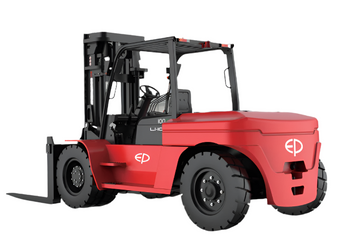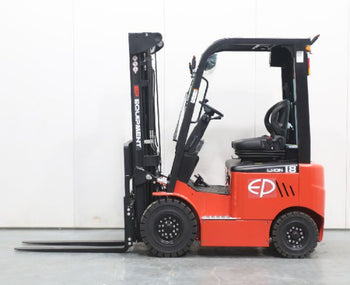


Moving a fleet from diesel to electric is a decision most warehouse and logistics operators eventually face, whether it is driven by site emissions targets, indoor air quality concerns, fuel cost volatility, or simply the fact that diesel counterbalance trucks are becoming harder to justify on sites with mixed indoor and outdoor use. Switching from diesel to electric forklift power is not something to rush into over a weekend, but it also does not need to take a year of hand-wringing. A structured 90-day plan gets you from decision to fully operational electric fleet with minimal disruption to throughput.
This article sets out a practical, phase-by-phase approach: what to audit in the first month, what to procure and install in the second, and how to roll out and embed the new fleet in the third.

Why Operators Make the Switch
Before getting into the plan itself, it is worth being clear on what is actually driving the decision, because that shapes priorities throughout the 90 days.
Common reasons include:
-
Air quality and site compliance, particularly on sites where trucks move between indoor and outdoor areas and diesel exhaust becomes a workplace health issue.
-
Total cost of ownership, since electric trucks generally cost less to run per hour once fuel, maintenance, and servicing are factored in, even where the upfront purchase or hire cost is higher.
-
Noise reduction, which matters on multi-shift sites or anywhere close to residential areas.
-
Corporate sustainability commitments, where fleet emissions form part of a wider environmental reporting requirement.
None of these reasons change the mechanics of the transition itself, but they do affect how you sequence the work. A site under regulatory pressure to cut emissions will prioritise the diesel trucks operating in the most sensitive areas first; a site focused on cost will prioritise the highest-utilisation trucks, since that is where the running cost savings show up fastest.
Days 1 to 30: Audit and Planning
The first month is about understanding your current fleet and site, not buying anything.
Fleet and Duty Cycle Audit
Start by mapping every diesel truck currently in operation against its actual duty cycle: hours per shift, load weights, lift heights, travel distances, and whether it operates indoors, outdoors, or both. This matters because electric replacement is not always a like-for-like swap. A diesel truck doing occasional heavy outdoor yard work has different power and duration requirements to one running constant indoor pallet moves.
Key questions to answer for each truck:
-
How many hours does it actually run per shift, not the shift length itself.
-
What is the heaviest routine load, not just the truck's rated capacity.
-
Does it need to operate outdoors on uneven ground, inclines, or in wet conditions.
-
Is there any single-shift downtime that could accommodate charging.
Site and Infrastructure Assessment
Next, look at what your site can support. This is usually the biggest unknown for operators who have never run electric forklifts before, and it is where most delays happen if left too late.
Assess:
-
Electrical supply capacity at the site, and whether the existing supply can support charging infrastructure without an upgrade.
-
Charging bay locations, ideally close to where trucks are parked between shifts, with adequate ventilation if lead-acid batteries are being considered.
-
Floor conditions, since electric trucks with different wheel configurations can behave differently on worn or uneven surfaces.
-
Ambient conditions, including temperature extremes in cold stores or outdoor yards, which affect battery performance and truck selection.
[IMAGE: Warehouse electrical distribution board and charging point installation for forklift fleet]
Lithium-ion vs Lead-Acid
This is the point in the audit where the battery decision needs to be made, because it directly affects the infrastructure plan and the procurement timeline.
Lead-acid batteries are cheaper upfront but require dedicated, ventilated charging rooms, scheduled watering and maintenance, and battery swaps for multi-shift operations unless you are prepared to run a larger battery pool. Lithium-ion batteries cost more initially but support opportunity charging, meaning trucks can be topped up during natural breaks rather than requiring a full charge and cool-down cycle. For multi-shift or continuous operations, lithium-ion generally simplifies the infrastructure requirement considerably, since there is no need for a separate battery room or spare battery inventory.
If your site runs a single shift with clear downtime overnight, lead-acid can still be a sensible, lower-cost option. If you are running two or three shifts back to back, lithium-ion is worth the extra investment almost every time.
Days 31 to 60: Procurement and Infrastructure
With the audit complete, the second month is about ordering the right trucks and getting the site physically ready.
Specifying the Right Trucks
Match each replacement truck to the duty cycle data gathered in month one, not to the diesel truck it is replacing on paper. Consider:
-
Capacity and mast height matched to actual routine loads and racking heights, with headroom for occasional peak loads.
-
Tyre type, since cushion or pneumatic tyres suit different floor and outdoor conditions.
-
Attachments, carried over from the diesel fleet where compatible, or specified fresh if the application has changed.
-
Battery capacity, sized to the shift pattern rather than a generic default.
Installing Charging Infrastructure
This is usually the longest lead-time item in the whole plan, so it needs to start as early as possible in this phase. Depending on the scale of the switch, this may involve:
-
Upgrading the site's electrical supply or distribution board.
-
Installing dedicated charging points at agreed locations, wired and tested by a qualified electrician.
-
Setting up battery charging or swap areas if lead-acid batteries are part of the plan.
-
Reviewing racking and pedestrian walkway layouts if charging bay positioning changes traffic flow.
Lease, Hire, or Buy
Decide on the finance route in parallel with the truck specification. Hire purchase, contract hire, and outright purchase all suit different cash flow and fleet management preferences, and this decision should already be informed by whatever finance comparison work you have done separately. Many operators choose to trial the transition with a hire fleet before committing to a longer-term purchase or contract hire agreement, which reduces risk if duty cycle assumptions need adjusting once trucks are in operation.

Days 61 to 90: Rollout, Training, and Embedding
The final month is where trucks arrive, staff are trained, and the diesel fleet is phased out.
Staggered Rollout
Avoid switching the entire fleet on a single day if you can help it. A staggered rollout, replacing trucks in batches over two or three weeks, allows operational teams to adjust and gives you a chance to catch any issues with a small number of trucks before they affect the whole site.
Prioritise the highest-value swaps first, whether that means the trucks in the most emissions-sensitive areas or the highest-utilisation units, depending on what drove the decision in the first place.
Operator Training
Electric forklifts handle differently to diesel, particularly in terms of acceleration response, regenerative braking, and reduced noise and vibration, which changes how operators perceive hazards around them. Training should cover:
-
Familiarisation with the specific truck controls and instrumentation.
-
Charging procedures, including correct connector handling and any opportunity charging protocols.
-
Battery care basics, even for lithium-ion trucks where maintenance requirements are lower.
-
Refreshed pedestrian awareness training, since quieter trucks require more deliberate awareness from both operators and warehouse staff on foot.
Operator competence and thorough examination requirements under LOLER do not change simply because the power source has changed, so make sure any transition plan keeps existing inspection and examination schedules current for the new fleet.
Decommissioning the Diesel Fleet
As electric trucks come online, plan the orderly decommissioning of diesel units rather than leaving them idle on site. This might mean returning hired trucks, selling owned assets, or reallocating them to another site with different requirements. Keep a small buffer of diesel capacity only if there is a genuine operational reason, such as outdoor yard work in conditions electric trucks cannot yet cover, and set a firm date to review whether that buffer is still needed.
Review and Adjust
By day 90, run a short review against the duty cycle assumptions made in month one. Charging patterns, actual run times, and operator feedback will tell you quickly whether truck specifications and charging infrastructure were sized correctly, and give you a clear basis for any final adjustments.
Summary
A 90-day transition from diesel to electric is achievable for most sites, provided the first month is spent properly auditing duty cycles and site infrastructure rather than jumping straight to truck orders. Get the battery type decision right early, since it shapes everything downstream, stagger the rollout to manage risk, and treat operator training as a genuine requirement rather than a formality.
If you are planning a diesel to electric transition and want help specifying the right trucks and charging setup for your site, iLift's hire and sales teams can talk through fleet options suited to your duty cycles and timeline.