

Why forklift hire mistakes cost more than you think
Hiring a forklift seems simple at first. You choose a machine, agree a weekly rate, and get it delivered.
But in reality, many businesses end up paying far more than expected.
Unexpected charges, downtime, and even legal risks can all come from small misunderstandings during the hire process. These issues are rarely obvious at the start, but they show up later in invoices, delays, or safety concerns.
If you are hiring equipment in the United Kingdom, understanding these pitfalls can save you thousands of pounds and keep your operation running smoothly.
This guide breaks down the most common mistakes and gives you practical forklift rental tips and forklift hire contract advice you can apply immediately.
Not understanding the hire period properly
One of the most common mistakes is assuming you are only paying for the time you actively use the forklift.
In many hire agreements, the hire period includes:
-
Delivery time
-
Time on-site (even if unused)
-
Weekends and bank holidays
-
Time waiting for collection
This means that even if your job finishes early, charges may continue until the equipment is officially off-hired and collected.
How to avoid this:
-
Always confirm when hire officially starts and ends
-
Ask what counts as “off-hire”
-
Plan collection in advance to avoid extra days
Delaying off-hire notice
Finishing a job does not automatically stop the hire.
Many businesses forget that they need to formally notify the supplier. Until that happens, charges can continue.
Even worse, if the forklift is not accessible for collection, you may still be billed.
How to avoid this:
-
Assign one person responsible for off-hire notices
-
Always send off-hire requests in writing
-
Get confirmation that hire has officially ended

Accepting equipment without checking it
When a forklift is delivered, it is often assumed to be in perfect condition.
But once you sign for it, responsibility usually transfers to you.
If damage is discovered later, it can be difficult to prove it was not caused on your site.
What to check on delivery:
-
Forks and tyres condition
-
Warning lights or faults
-
Battery and charger
-
Attachments and accessories
Pro tip:
Take photos or videos at delivery. This gives you clear evidence if any disputes arise later.
Underestimating damage liability
During the hire period, you are typically responsible for:
-
Damage
-
Theft
-
Misuse
Some contracts even continue charging hire fees while damaged equipment is being repaired.
This can quickly become expensive.
How to avoid this:
-
Check if you are covered by hired-in plant insurance
-
Understand what damage costs you are liable for
-
Train operators properly to reduce risk
Ignoring hidden costs
The weekly rate is only part of the total cost.
Additional charges can include:
-
Tyre damage or punctures
-
Cleaning or decontamination
-
Fuel or electricity
-
Delivery and collection
-
Operator time (if included)
These small costs can add up quickly.
How to avoid this:
-
Ask for a full breakdown before hiring
-
Clarify what is included and what is extra
-
Budget for potential additional costs
Choosing the wrong equipment for the job
Not every job requires a forklift.
In fact, many businesses hire equipment that is too large, too powerful, or simply unnecessary.
This leads to:
-
Higher costs
-
Reduced efficiency
-
Safety risks
The UK Materials Handling Association highlights the importance of selecting the right equipment for the task.
Example:
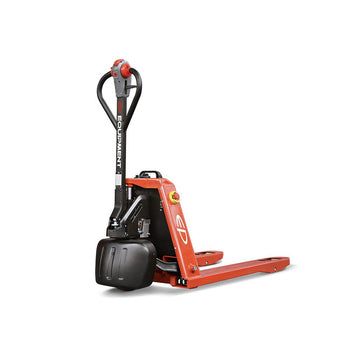
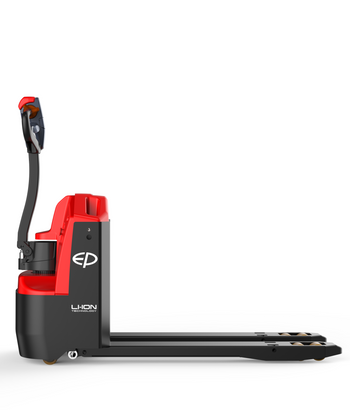
If your work involves moving pallets at ground level, a pallet truck may be a better option than a forklift.
iLift offers electric pallet trucks such as:
-
The F Series pallet truck
-
EPL1531 pallet truck
-
WPL202 pallet truck
These can be more cost-effective and easier to operate for light-duty tasks.
View range: https://ilift.co.uk/collections/electric-pallet-trucks

Overlooking site conditions
A forklift that works perfectly in one warehouse may struggle in another.
Common issues include:
-
Narrow aisles
-
Low door heights
-
Uneven floors
-
Poor lighting
-
Lack of pedestrian segregation
The Health and Safety Executive emphasises the importance of separating pedestrians and vehicles to reduce accidents.
How to avoid this:
-
Measure your space before hiring
-
Check floor conditions and load limits
-
Plan safe routes for vehicles and pedestrians
Forgetting compliance responsibilities
Hiring a forklift does not remove your legal responsibilities.
Under UK regulations, you still need to ensure:
-
Operators are properly trained
-
Equipment is used safely
-
Daily checks are carried out
This includes compliance with:
-
Rider-operated lift trucks: operator training and safe use (L117)
-
PUWER regulations
-
LOLER inspection requirements
Common mistake:
Hiring equipment without having trained operators ready.
This leads to paying for equipment that cannot be used.
Skipping daily checks
Even hired equipment needs regular checks.
Failing to do this can result in:
-
Breakdowns
-
Safety incidents
-
Additional repair charges
Simple daily checklist:
-
Tyres
-
Brakes
-
Lights
-
Controls
-
Battery or fuel levels
Small checks can prevent big problems.
Poor planning leads to downtime
Many hire issues come down to one thing: poor planning.
Last-minute decisions often result in:
-
Wrong equipment
-
Delayed delivery
-
Untrained staff
-
Unexpected costs
Better approach:
Treat forklift hire like a mini project.
Define:
-
Load weights
-
Lift heights
-
Working environment
-
Duration of hire
This ensures you get the right equipment the first time.
Get the Right Forklift Hire First Time
Choosing the right equipment and understanding your hire terms can make a huge difference to your costs and efficiency.
At iLift, you can get expert advice on selecting the right solution for your job, whether you need a forklift or a more cost-effective pallet truck.
Start by exploring your options:
https://ilift.co.uk/pages/electric-forklift-hire
Or speak directly to the team to get tailored recommendations based on your requirements.

Final thoughts
Forklift hire is a powerful tool for growing businesses, but only if it is managed correctly.
By avoiding these common mistakes, you can:
-
Reduce unexpected costs
-
Stay compliant
-
Improve safety
-
Keep your operation running without delays
A little planning upfront goes a long way.