

Choosing whether to hire an electric or diesel‑powered forklift is not simply a question of cost. These machines have very different operating characteristics that affect running costs, emissions, noise, operator comfort and suitability for particular environments. For businesses in the UK that rent material‑handling equipment, understanding these differences is essential. This guide compares electric forklifts with diesel models and uses current market data to help you decide which power source best fits your operation.
How Electric and Diesel Forklifts Work
Power source. Electric forklifts draw energy from rechargeable batteries, typically lead‑acid or lithium‑ion. Modern designs are compact and eliminate the large engine block of internal‑combustion trucks, leaving more space for batteries and counterweights. Diesel forklifts use internal‑combustion engines fuelled by diesel; the engine drives a transmission and hydraulic pumps to provide lifting power. The choice of power source has major implications for performance, emissions and maintenance.
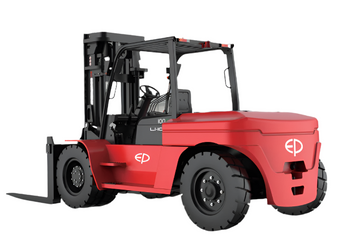
Performance basics. Diesel forklifts are known for their high torque and ability to handle heavy loads. A UK forklift specialist notes that diesel machines deliver greater load capacity and superior performance on rough terrain; they can handle construction sites, lumber yards and ports where ground conditions are uneven. By contrast, electric forklifts are often smaller, lighter and more manoeuvrable; they deliver instant torque and smooth acceleration, making them well suited to warehouses and tight aisles.
Upfront and Lifetime Costs
Purchase and hire price
Forklift prices vary widely by capacity and specification. According to iLift’s UK market guide, a basic forklift costs £9,000–£22,000, while specialised or high‑capacity machines can exceed £35,000–£75,000. Electric counter‑balance forklifts typically range from £10,000–£30,000, with high‑capacity variants above £40,000. Used electric trucks often cost £5,000–£20,000, whereas diesel forklifts usually sell for £11,000–£20,000. These figures exclude attachments and accessories.
The higher purchase price of electric trucks is offset when renting because hire companies spread capital costs over many contracts. Some providers offer rental packages that include battery maintenance and chargers, making electric models cost‑competitive.
Running costs
Running costs often outweigh purchase price over a forklift’s service life. Electricity for forklifts currently costs about 22.36 p per kWh in the UK. An electric forklift drawing roughly 5 kWh per hour therefore costs about £1.10 per hour in electricity. Diesel fuel averages £1.42 per litre, and a diesel forklift burns 2–3 litres per hour, resulting in a fuel bill of £2.80–£4.30 per hour. Electric forklifts are therefore £1.5–£3 cheaper per hour to run, and over eight years this difference can more than offset the higher purchase price.
Maintenance and lifecycle costs
Electric forklifts have far fewer moving parts than combustion‑engine trucks. iLift’s analysis states that maintenance intervals for electric forklifts are around 1,000 hours, with annual costs typically £800–£2,000, because there are no spark plugs, injectors or exhaust systems. Diesel forklifts require oil and filter changes and tune‑ups every 500–1,000 hours, and annual maintenance usually ranges from £1,200–£3,200. Higher servicing needs, combined with fluctuating fuel prices, mean diesel’s long‑term operating costs quickly exceed the savings from a lower purchase price.
Emissions and Environmental Impact
Tailpipe emissions
The most obvious difference between the two power types is exhaust. Electric forklifts produce zero tailpipe emissions, which makes them suitable for indoor environments and allows companies to meet increasingly stringent environmental, social and governance (ESG) targets. Tag Forklifts highlights that diesel forklifts emit carbon dioxide and other pollutants, making them unsuitable for indoor operations without proper ventilation. Even modern diesel models produce higher emissions than LPG trucks and cannot be used in enclosed spaces.
Carbon footprint and sustainability
iLift’s research estimates that electric forklifts powered by the UK grid emit roughly 1.4 kg of CO₂ per hour, whereas burning diesel generates several kilograms of carbon dioxide each hour. Over a typical service life, each electric truck can eliminate tens of tonnes of CO₂ compared with a combustion‑engine counterpart. Diesel engines also emit nitrogen oxides and particulates, which contribute to respiratory disease and require ventilation systems.
Noise pollution
Noise levels influence operator comfort and workplace safety. Electric forklifts typically operate at 60–70 decibels, roughly equivalent to normal conversation, according to iLift’s guide. A manufacturing blog notes that diesel engines produce 85–95 dB at the operator’s ear, reflecting the forceful combustion and heavier components. The same source notes that lithium‑battery‑powered electric forklifts can operate below 60 dB, making them ideal for noise‑sensitive environments such as hospitals or food processing. Less noise reduces operator fatigue and improves communication on the shop floor.

Performance and Suitability
Power and lifting capacity
Diesel forklifts are renowned for delivering high torque and lifting capacity. Tag Forklifts explains that diesel engines provide greater torque, making them suitable for lifting heavy loads and navigating rough terrain. They remain the preferred choice for construction sites, timber yards and ports. Electric forklifts have improved dramatically—high‑capacity models now approach the load ratings of diesel machines. Electric motors also deliver instant torque and smooth acceleration, allowing precise manoeuvres in narrow aisles and faster cycle times. However, most electric models still carry lower load ratings than diesel trucks, so businesses handling very heavy loads may still need diesel power.
Indoor vs. outdoor use
Electric forklifts are the standard in warehouses, food processing and cold storage because they emit no fumes and operate quietly. Tag Forklifts emphasises that their compact size and tight turning radius make them ideal for narrow aisles and indoor spaces. Diesel forklifts excel outdoors because their robust engines handle uneven ground, wet or dusty conditions and steep inclines. They can run continuously as long as there is fuel, making them practical at remote sites without charging infrastructure.
Runtime and refuelling
Traditional electric forklifts provide 6–8 hours of runtime on a full battery, and recharging can take several hours. This limitation has diminished with lithium‑ion batteries that can recharge within an hour and allow opportunity charging during breaks. For continuous 24‑hour operations, spare batteries or fast‑charging stations may still be required. Diesel forklifts refuel within minutes and can run continuously for extended shifts. However, each refuel incurs fuel costs and idling during breaks wastes diesel.
Size and manoeuvrability
Because electric forklifts carry batteries instead of engines, they are often more compact. Conger Industries notes that electric forklifts have tighter turning radii and better manoeuvrability for narrow aisles. They also provide improved rear visibility because there is no fuel tank to obstruct the operator’s view. Diesel trucks are usually larger and heavier, which aids stability when lifting heavy loads but can make them less agile indoors.
Maintenance, Reliability and Comfort
Electric forklifts require less regular maintenance because they have fewer moving parts. The Conger Industries guide lists several advantages: electric forklifts have no engine oil or coolant to replace, resulting in fewer maintenance tasks and longer service intervals. They are also quieter and produce less vibration, improving operator comfort. However, electric forklift batteries eventually wear out. Lead‑acid batteries typically last 1,500 charge cycles (3–5 years), while lithium‑ion batteries can last up to five times longer. Battery replacement is a significant cost that must be factored into long‑term ownership.
Diesel forklifts have robust engines but need more maintenance. They require regular oil and filter changes, fuel system checks and exhaust inspections. Tag Forklifts notes that diesel models often incur higher maintenance costs and fuel expenses. They also produce louder noise and more vibration, which can increase operator fatigue.
Use‑Case Scenarios – Which Type Should You Hire?
Choosing between electric and diesel forklifts depends on your operating environment, workload and sustainability goals. Below are typical scenarios and recommendations:
|
Use case |
Recommended power type |
Rationale |
|
Indoor warehouses, retail and cold storage |
Electric forklift |
Zero exhaust emissions and low noise levels (60–70 dB) make electric models ideal for indoor environments. Their compact size and tight turning radius help them manoeuvre through narrow aisles. |
|
Heavy‑load handling (construction, timber yards, ports) |
Diesel forklift |
High torque and lifting capacity allow diesel trucks to handle heavy loads and rough terrain. Refuelling is quick, so long shifts can continue uninterrupted. |
|
Mixed indoor/outdoor operations |
Electric or dual‑fuel forklift |
Some modern electric forklifts are weather‑resistant. For mixed settings, businesses can choose electric trucks with sealed batteries or consider dual‑fuel models; they offer flexibility while maintaining indoor air quality. |
|
Sustainability‑driven operations |
Electric forklift |
Electric lifts eliminate tailpipe emissions and reduce carbon footprint. They support corporate ESG goals and help businesses comply with tightening environmental regulations. |
|
Continuous 24‑hour shift with limited charging infrastructure |
Diesel forklift (or electric with spare batteries) |
Diesel forklifts run continuously as long as fuel is available. Electric models may require spare batteries and fast chargers to match this duty cycle. |
iLift Pallet Truck Solutions – Ready to Hire
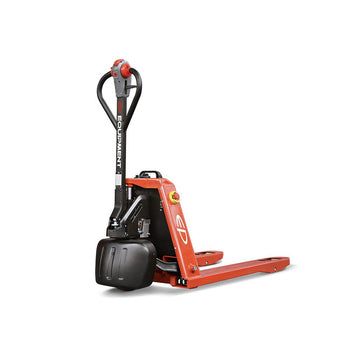
iLift offers a range of electric pallet trucks that showcase the benefits of battery power while delivering the performance needed for busy warehouses and factories. Two standout models demonstrate how far electric pallet trucks have come:
-
EPL1531 Electric Pallet Truck – This compact lithium‑ion pallet truck features a 24 V/20 Ah plug‑and‑play battery and includes a spare battery. Smart battery‑management protects cells for long service life. With a total service weight of only 120 kg and optional caster wheels for extra stability, the EPL1531 is extremely manoeuvrable. It operates at under 74 dB and travels up to 5 km/h, making it suitable for retail, vans or back‑of‑house use. The battery can be swapped quickly, enabling multi‑shift operation. The unit is available to buy from around £1,200 or hire from £150 per week. Learn more and check availability on iLift’s product page.
-
EPL154/185 Electric Pallet Truck – Part of the next generation of electric pallet trucks from EP Equipment, the EPL154/185 comes in 1.5 t (EPL154) and 1.8 t (EPL185) capacities. It uses a 20 Ah/24 V or 30 Ah/24 V battery and is designed to improve efficiency when moving cargo. The low‑profile chassis provides stability while remaining easy to manoeuvre. Rental packages start at £150 per week and include maintenance. More details can be found on iLift’s product page.
These electric pallet trucks illustrate why electric power is becoming the preferred option for many businesses: low noise, zero emissions and plug‑and‑play convenience combined with competitive rental rates.

Summary and Recommendations
Electric and diesel forklifts each have distinct advantages. Diesel models provide unrivalled power for heavy lifting and outdoor conditions; they are durable and can run continuously with quick refuelling. However, they generate higher emissions, produce more noise and vibration, and require more maintenance. Electric forklifts are quiet, clean and increasingly powerful. Although their purchase price can be higher and battery runtime may be limited, lower energy and maintenance costs often deliver a better total cost of ownership.
For most indoor warehouses, cold storage facilities and businesses with sustainability targets, electric forklifts are the best hire option. They improve air quality, reduce energy costs and create a quieter, safer working environment. Diesel forklifts still shine in heavy‑duty outdoor applications and long, continuous shifts where charging infrastructure is lacking. Evaluating factors such as load capacity, duty cycle, environment and future ESG goals will help you select the right power source.
For a hands‑on demonstration or to explore rental options, visit iLift’s website or contact their team. Their extensive fleet of electric forklifts and pallet trucks—including the EPL1531 and EPL154/185—offers sustainable, cost‑effective solutions tailored to UK businesses.