

Warehouse operations in 2025 face rising demand for speed, accuracy, and sustainability. Achieving warehouse efficiency has become more critical than ever for maintaining a competitive edge. By optimising your facility’s layout, embracing automation, and upgrading to modern electric equipment, you can boost productivity while reducing costs. This article explores best practices in warehouse layout optimisation, highlights how automation technology is transforming operations, and explains the benefits of switching to electric material handling equipment for a leaner, greener warehouse.
Optimise Warehouse Layout for Maximum Efficiency
A modern warehouse with electric pallet trucks lined up and multi-level racking illustrates efficient use of space and organised workflow. An optimised warehouse layout is critical to maximising efficiency, reducing congestion, and ensuring a smooth workflow. Proper space utilisation improves order fulfillment speed and cuts down on unnecessary handling, ultimately boosting productivity. To get the most from your facility’s footprint, consider these layout best practices:
-
Strategic Zoning: Organise inventory based on product type, size, or picking frequency. Store high-demand SKUs in easily accessible zones (for example, near packing or shipping areas) to minimise travel time. In contrast, bulk reserve stock or slow-moving items can occupy more remote sections. This zoned approach ensures fast-moving goods flow quickly out the door while less active inventory stays out of the way. It’s an ongoing process – periodically re-slot items as demand changes. In fact, many warehouses that feel “out of space” can unlock capacity simply by reorganising layouts. By re-slotting popular items to prime locations and using totes or dividers for better density, companies can gain significant space without expansion.
-
Use Vertical Space: When floor space is at a premium, build up, not out. Installing taller pallet racking, mezzanines, or even automated storage and retrieval systems (AS/RS) lets you use the warehouse’s cube height efficiently. Maximising vertical storage capacity can increase inventory hold while avoiding a costly building expansion. High-density shelving and adjustable racks keep products accessible at height. By going vertical, you also shorten pick paths on the ground – more items are reachable in a compact area, reducing the distance workers or machines must travel.
-
Maintain Clear Aisles: Crowded aisles and clutter are the enemies of efficiency. Clear, wide aisles are essential for both safety and smooth operations. Obstructed walkways lead to accidents, bottlenecks, and slower order picks. Enforce regular housekeeping to keep floors clean and aisles free of pallets or debris. Mark pedestrian lanes and forklift routes to separate traffic. Simple visual cues like floor tape or signage can make a big impact – using floor markings to define traffic lanes, staging zones, and safety areas improves flow and safety. In short, an orderly warehouse where everything has its place helps workers move faster and prevents costly mishaps.
-
Optimise Flow: Think of your warehouse like a production line – arrange it to minimise backtracking and delays. Design the layout in a logical sequence: e.g. receiving → reserve storage → picking area → packing → shipping. If workers often double-back or congest certain spots, revise the floor plan. Even small tweaks such as relocating a packing station or adding a dedicated staging area near the docks can smooth the overall flow. Regularly audit your layout and processes to spot any inefficiencies. Warehouse optimisation is an iterative process, but the time invested in fine-tuning the layout pays off in faster throughput and fewer errors.
By continuously refining your warehouse layout with these practices – smart zoning, full use of vertical space, tidy aisles, and streamlined flow – you set the stage for maximum efficiency. A well-organised warehouse not only accelerates order processing but also creates a safer work environment and a foundation ready for advanced technologies.

Embrace Automation and Warehouse Technology
The year 2025 has made one thing clear: warehouse automation is no longer a luxury – it’s a necessity for efficient operations. Automation and robotics are transforming warehouses by taking over repetitive, labor-intensive tasks and executing them with speed and precision. From robotic conveyors and autonomous mobile robots (AMRs) to smart inventory systems, advanced technology can significantly boost productivity and accuracy in your facility. Here are key ways to leverage automation for greater efficiency:
-
Automated Material Handling: Consider using conveyor systems, sorters, and AGVs/AMRs to handle the transport of goods internally. These systems work tirelessly and consistently – robots don’t call in sick – so they can maintain steady throughput even when labor is tight. For example, autonomous forklifts or pallet movers can shuttle pallets from receiving to storage or from picking to packing without human intervention, freeing up your staff for higher-value tasks. This not only speeds up operations but also reduces the risk of accidents from manual handling of heavy loads.
-
Warehouse Management System (WMS): A robust WMS is the digital brain of an efficient warehouse. It tracks inventory in real time, optimizes pick routes, and coordinates workflows. Implementing a WMS allows you to automate order allocation, picking plans, and replenishment. Managers gain real-time visibility into stock levels and order statuses, enabling data-driven decisions that improve efficiency. The WMS can also support advanced strategies like batch or wave picking (grouping orders to reduce travel) and cross-docking (shipping out goods immediately on arrival), which further streamline fulfillment.
-
Barcode Scanning and RFID: Ditching paper checklists for digital scanning greatly reduces errors in receiving, picking, and shipping. equipping staff with wireless barcode scanners or RFID readers ensures every item is tracked accurately with minimal effort. Scanning each item’s barcode at pick/pack verifies the correct product is handled, boosting accuracy and virtually eliminating mis-picks. RFID technology can take this a step further by reading tags in bulk without direct line-of-sight, speeding up inventory counts and location checks dramatically. Together, these technologies improve inventory accuracy and save labor time, contributing to leaner operations.
-
IoT Sensors and Analytics: Even smaller warehouses are adopting Internet of Things solutions to become smarter and more responsive. Placing IoT sensors on storage locations or using smart tags on pallets provides real-time data on inventory movement, temperature/humidity (for sensitive goods), equipment usage, and more. These data points feed into analytics systems or AI algorithms that can optimise your warehouse. For instance, RFID tags and sensors can help reduce shrinkage and optimise storage by improving visibility into where goods are at all times. Predictive analytics might flag when certain stock is running low or identify bottlenecks in your process. Embracing these tools helps you proactively address issues before they impact efficiency.
-
Collaborative Robotics: Automation doesn’t mean replacing all human labor – often the best setup is humans and robots working together (the “cobot” approach). Wearable devices and autonomous carts can assist workers by carrying loads or navigating optimal routes. Augmented reality (AR) glasses can project pick instructions in the worker’s field of view, reducing mistakes and training time. Such technologies let your workforce achieve higher productivity and safety together with automation. In a tight labor market, these solutions also alleviate strain on workers by handling the most tedious or strenuous tasks, improving job satisfaction and reducing injuries.
Investing in warehouse automation yields substantial benefits: increased throughput, lower error rates, and reduced dependence on manual labor for routine tasks. While upfront costs can be significant, the long-term savings in labor and accuracy make automation worthwhile. Importantly, many automation technologies have become more affordable and scalable, so even mid-sized and smaller warehouses can implement them incrementally. Whether it’s a new WMS, a fleet of scanners, or a few AMRs to start, integrating technology is key to staying competitive in 2025’s fast-paced fulfillment environment.
Upgrade to Electric Material Handling Equipment
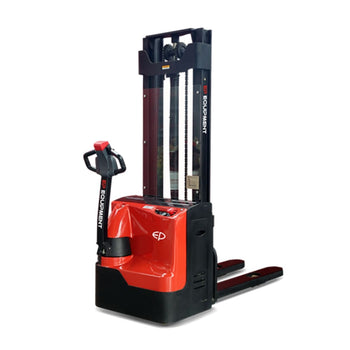
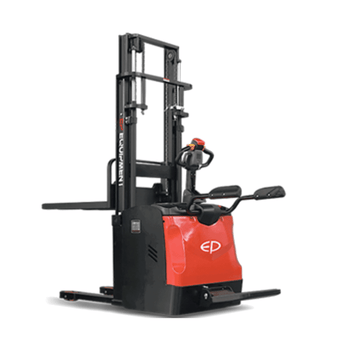
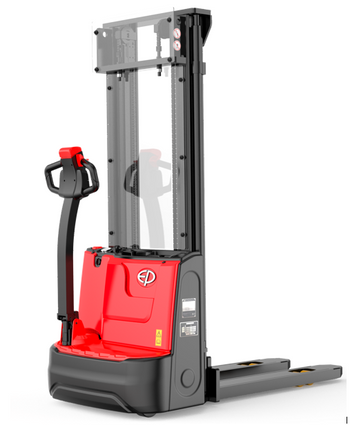
One often-overlooked aspect of warehouse efficiency is the equipment powering your material handling. Upgrading from manual or fuel-powered machines to modern electric equipment – such as electric forklifts, pallet trucks, and stackers – can yield significant gains in productivity, cost savings, and sustainability. Electric material handling equipment has advanced rapidly, making it a smart choice for warehouses aiming to be both efficient and eco-friendly:
-
Lower Operating Costs and Maintenance: Electric forklifts and pallet trucks have far fewer moving parts than their diesel or gas counterparts, which means less can go wrong. This translates to simpler and less frequent maintenance. In fact, maintenance intervals for electric forklifts are around 1,000 hours, with annual service costs typically in the low thousands (£800–£2,000) – much lower than for diesel trucks. Diesel forklifts require oil changes, filter replacements, and tune-ups every 500–1,000 hours, and their yearly maintenance can cost 50–60% more (£1,200–£3,200). On top of that, electric equipment doesn’t need fuel – no tanks to refill or volatile diesel prices to worry about. Charging with electricity (especially off-peak) is generally cheaper and more predictable, so the total cost of ownership for electric lifts is often lower in the long run. While the upfront purchase price of electric models can be higher, they tend to pay for themselves via fuel savings and fewer repairs.
-
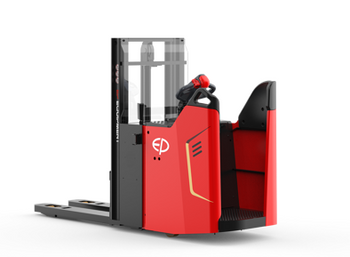
Improved Ergonomics and Safety: Swapping manual pallet jacks for electric pallet trucks immediately boosts operator productivity and safety. Electric pallet trucks are “far easier on operators” – the motor does the heavy pushing and lifting, reducing strain on workers’ muscles. Over a long shift, this makes a huge difference: employees experience less fatigue and risk of injury, leading to more consistent productivity. Electric trucks often come with additional safety features like anti-rollback on ramps, emergency stop buttons, and speed limiters, which further protect operators. Even ride-on electric pallet trucks allow staff to move loads quickly without walking, saving time and energy. By eliminating most of the physical exertion associated with moving pallets, electric equipment helps maintain a healthier, more efficient workforce.
-
Higher Productivity: Modern electric forklifts and pallet trucks don’t sacrifice performance – many models deliver instant torque and smooth acceleration, which allows for quick, precise movements when positioning pallets. For indoor warehouse tasks, electric forklifts are highly maneuverable with a tight turning radius (no bulky engine or fuel tank), making them ideal for narrow aisles and speedy load handling. The latest lithium-ion electric forklifts have lifted capacity ranges that approach those of diesel machines, handling loads of several tons in many cases. And because electric trucks accelerate briskly and brake regeneratively, operators can complete cycles faster. Electric pallet trucks also travel faster than manual ones – around 3.5 mph versus walking speed – saving minutes on every long haul. Plus, features like on-board ride platforms mean an operator can move multiple pallets in one go, further multiplying productivity. In summary, today’s electric equipment is a powerhouse for indoor productivity, able to move more goods in less time with fewer people.
-
Minimal Emissions, Maximum Sustainability: With growing pressure for sustainable operations, electric equipment offers a clear advantage. Battery-powered forklifts produce zero tailpipe emissions, making them safe for indoor use and much better for employee health and air quality. There are no exhaust fumes or particulate soot in your facility – a win for both compliance and worker comfort. Over the lifetime of a forklift, the carbon savings are substantial. One analysis in the UK found that using an electric forklift (charged from the grid) versus a diesel model can eliminate tens of tonnes of CO₂ emissions over its service life. That’s because even accounting for power plant emissions, electric motors are far more efficient and clean. Diesel engines, by contrast, not only emit CO₂ but also NOx and soot that require costly ventilation systems and pose health hazards. By going electric, warehouses can significantly shrink their carbon footprint and meet strict environmental, social, and governance (ESG) goals. It’s also future-proofing: regulations are tightening on diesel equipment emissions, so electrifying your fleet prepares you for coming standards.
-
Quieter and Cleaner Operations: An often immediately noticeable benefit of electric material handling equipment is the reduction in noise. Electric forklifts and pallet jacks run very quietly – typically around 60–70 decibels, about the level of normal conversation. In contrast, a diesel forklift’s engine can roar at 85–95 dB near the operator’s ear, which over a full day contributes to operator fatigue and communication difficulties on the floor. Lower noise levels improve workplace comfort and safety, as staff can hear each other and audible alerts better, and there’s less risk of long-term hearing damage. Additionally, electric equipment tends to be cleaner – no fuel or oil leaks, no spilled diesel on the floor, and no soot buildup on products or racking. The warehouse stays cleaner, which reduces cleaning downtime and creates a more pleasant environment for employees.

All these benefits explain why many warehouses are rapidly transitioning to electric fleets. With lithium-ion technology, today’s electric forklifts and pallet trucks address the traditional limitations of older battery equipment. Lithium-ion batteries support fast charging (often 1 hour or less to full charge) and opportunity charging during breaks or between shifts. This means electric trucks can effectively run continuous operations with a quick charge top-up here and there – no need to swap batteries or wait overnight. The latest batteries also last for thousands of charge cycles, giving electric equipment a longer useful life with less maintenance (no watering or equalising charges needed as with old lead-acid batteries).
By upgrading your warehouse with electric material handling equipment, you not only reduce emissions and utility costs, but also empower your team to work faster and safer. It’s an investment in efficiency that pays off in multiple ways – from lower operating expenses to higher throughput and a greener brand image.
Conclusion and Next Steps
Adopting these warehouse efficiency best practices for 2025 will position your operation for success in a challenging, fast-moving logistics environment. By optimising your warehouse layout, you ensure that people and product flow with minimal friction. By embracing automation and smart technologies, you can handle higher volumes with greater accuracy and resilience. And by shifting to electric material handling equipment, you reduce costs and environmental impact while boosting worker productivity. Each of these steps reinforces the others, creating a warehouse that is not just efficient, but also safer, cleaner, and ready for future growth.
Remember, continuous improvement is key – regularly evaluate your warehouse metrics (like order cycle times, pick rates, and equipment utilisation) and solicit feedback from your team on where to improve. Even small tweaks can lead to sizeable efficiency gains over time.
Ready to boost your warehouse’s efficiency? iLift is here to help you put these best practices into action. We offer expert guidance and a full range of modern material handling solutions to optimise your operations. Explore iLift’s selection of advanced [electric pallet trucks and lithium-ion forklifts – available for purchase or hire – to kickstart your warehouse efficiency improvements. Our team can help you identify the ideal equipment and layout changes to achieve a faster, safer, and more productive warehouse. Contact iLift today and let us help power up your warehouse for 2025 and beyond!